Rubbish van access Highbury Holloway Road Blackstock Road
Posted on 19/09/2026
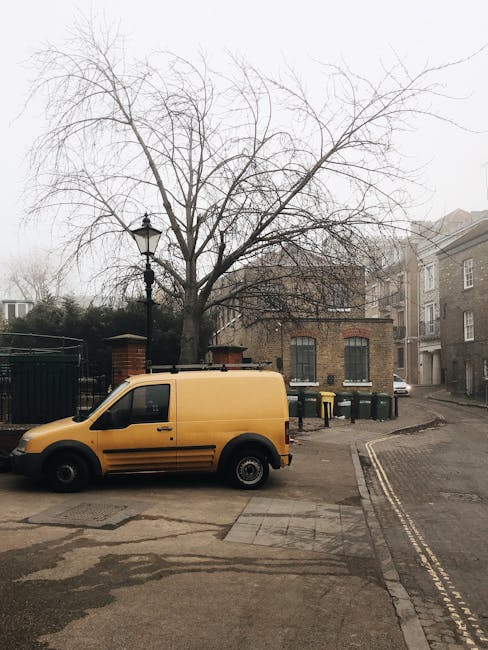
Rubbish van access Highbury Holloway Road Blackstock Road: what residents and businesses need to know
If you are trying to arrange Rubbish van access Highbury Holloway Road Blackstock Road, you are probably dealing with one of those very ordinary but slightly annoying London problems: a van needs to get close enough to load, but the streets are busy, narrow, and not always kind to larger vehicles. That sounds simple enough, until you are the one managing the kerb space, the timing, the neighbours, and the waste itself.
This guide explains how rubbish van access tends to work around Highbury, Holloway Road and Blackstock Road, why access matters so much, and how to plan a collection that avoids awkward delays. We will also look at practical risks, local best practice, compliance points, and the small details that make the difference between a smooth job and a frustrating one. Truth be told, a good collection is often won or lost before the van even arrives.
Why Rubbish van access Highbury Holloway Road Blackstock Road Matters
In an area like Highbury, access is not just a logistics detail. It shapes the whole collection. A rubbish van that can stop safely, load efficiently, and leave without obstructing traffic is far more likely to complete the work quickly and cleanly. On streets around Holloway Road and Blackstock Road, that can be the difference between a straightforward pickup and a messy chain of delays.
Why does that matter so much? Because waste collections are not done in a vacuum. There may be parked cars, loading restrictions, shopfront activity, school traffic, delivery vehicles, and residents trying to get on with their day. Even a short stop can create a ripple effect. A collection that looks easy on paper can become awkward once the van is actually trying to position itself near the property.
Access also affects safety. If the crew cannot get close enough, they may need to carry bulky items farther, work around tighter pavements, or shift waste in stages. That can slow everything down and increase the chance of damage, trips, or hassle for everyone involved. Let's face it, nobody wants a sofa halfway across the pavement on a wet afternoon.
There is also a cost angle. If access is poor, a job may take longer or need extra labour. A clear understanding of the access situation up front helps avoid surprises later. For many customers, that is exactly where good planning pays off. If you are comparing related services, it can help to look at a broader services overview so you can judge which collection method fits the property and the street.
Practical takeaway: access is not a side issue. It is central to timing, safety, pricing, and whether the collection feels smooth or stressful. A few minutes of planning can save a lot of back-and-forth.
How Rubbish van access Highbury Holloway Road Blackstock Road Works
In simple terms, rubbish van access means the vehicle needs a workable stopping point close to the waste. That sounds obvious, but there are a few moving parts. The van may need enough space to pull in, room to open doors, and a safe route for loading. On some roads, the challenge is not distance; it is stopping legally and without blocking everyone else.
The process usually starts before the crew arrives. A sensible planner will think about the property type, the road layout, the volume of waste, and whether the items are inside a flat, a basement, a rear yard, or a side passage. You might be surprised how much difference one narrow alley or one tricky gate can make.
On busier stretches like Holloway Road, traffic flow can matter as much as the actual kerb space. On narrower residential roads near Blackstock Road, parked cars may be the bigger issue. So the question becomes: can the van get close enough to load efficiently without causing a blockage or forcing risky manoeuvres?
Typical access planning may involve:
- checking whether the van can stop directly outside or nearby
- working out if there are any parking, loading, or waiting restrictions
- making sure gates, entrances, and pathways are unlocked and clear
- identifying bulky items that may need dismantling or two-person handling
- keeping waste grouped together rather than spread across several rooms
If you want a closer look at what local collection work can involve, the rubbish collection in Highbury page is a useful place to understand the broader service approach. For customers with larger or mixed loads, the difference between a simple collection and a more involved clearance can be quite noticeable.
One practical point many people miss: access is not only about the van. It is also about where the waste is staged. A clean path from the property to the vehicle often saves more time than people expect. A pile of bags by the front door is easy; a pile in the back room behind a narrow stairwell, not so much.
Key Benefits and Practical Advantages
When access is planned properly, the benefits are immediate. Collections tend to be faster, calmer, and easier to price. There is less risk of damaged walls, scuffed floors, unhappy neighbours, or last-minute parking chaos. The whole job just feels more controlled.
Here are the main advantages people usually notice:
- Faster loading: the closer the van can get, the quicker items can be transferred.
- Better safety: shorter carrying distances reduce strain and help protect the property.
- Less disruption: careful positioning avoids turning a small waste job into a street-level nuisance.
- More accurate quotes: clear access details make pricing more realistic from the start.
- Cleaner outcomes: good access usually means less mess, less dragging, and fewer awkward moves through the property.
There is also a subtle customer benefit that is easy to overlook: peace of mind. When the route, timing, and vehicle access are sorted, you do not spend the morning worrying whether the crew will be able to park, unload, or fit through the gap beside the bins. That sounds minor. It is not, really. A lot of stress disappears when access is straightforward.
For households looking at clearance as part of a bigger reset, such as after a move or renovation, it can help to compare how access affects different services. A full house clearance in Highbury may require more space and more coordination than a single van load of mixed rubbish. Likewise, if the job involves offices rather than a home, you may want to look at office clearance in Highbury because access, timing, and building layout can change the plan entirely.
Who This Is For and When It Makes Sense
This kind of access planning matters to more people than you might think. Homeowners, tenants, landlords, managing agents, shop owners, landlords with void periods, builders, and office managers all run into the same basic issue: how do you get waste out without making a mess of the street or the schedule?
It makes particular sense if you are dealing with:
- bulky household items that are difficult to carry for long distances
- builder's waste after light refurbishments or small projects
- garden cuttings, branches, turf, or soil
- office clutter, old furniture, or mixed commercial rubbish
- post-tenancy clear-outs where timing is tight
- regular business waste that needs reliable kerbside access
If you are near a busier route, even a straightforward pickup can need careful timing. If the property is tucked away off the main road, the issue may be more about frontage, turning space, and whether there is somewhere sensible for a van to wait. Different property types create different headaches. That is just how it goes.
For example, a small flat near Blackstock Road might need a quick, tightly timed collection because parking is limited and neighbours need access to their own vehicles. A ground-floor shop on Holloway Road may need an early slot so the van does not clash with foot traffic and deliveries. A family house in the side streets may have easier stopping room but a longer carry from the rear garden. Same service. Different game.
When the job is linked to building work, the scale and debris type matter too. In those situations, a more tailored page like builders waste disposal in Highbury can be more relevant because rubble, timber, packaging, and broken fittings behave differently from general household rubbish.
Step-by-Step Guidance
If you want the collection to go smoothly, a step-by-step approach works best. Nothing fancy. Just a bit of disciplined thinking before the van arrives.
- Map out the exact access point. Decide where the van is most likely to stop and whether that spot is realistic at the time of day you need.
- Identify restrictions. Look for yellow lines, loading bays, resident permit issues, bus routes, or times when parking becomes tight.
- Clear the route. Move bins, bikes, prams, garden tools, and anything else that could slow loading or create trip hazards.
- Group the waste. Put items together in one place if possible. A tidy staging area is quicker and safer than waste spread through several rooms.
- Flag awkward items early. Wardrobes, mattresses, appliances, heavy broken units, and sharp materials should be mentioned before the job starts.
- Confirm the practical plan. Check the collection window, contact details, access instructions, and whether anyone needs to be present to open gates or doors.
- Leave a little flexibility. Road conditions change. A delivery van, a school run, or a neighbour's car can alter things on the day. A small buffer helps.
To be fair, this is where many people overcomplicate things. You do not need an elaborate project plan. You do need enough detail that the crew can arrive and get to work without guesswork.
If you are trying to choose between different types of disposal or collection, the broader waste removal in Highbury page can help you think through what level of service you actually need. Sometimes one quick van collection is enough. Sometimes it is a full clearance with a more structured approach.
Expert Tips for Better Results
After many collections, one thing becomes very clear: the jobs that go well are usually the jobs where the access detail was handled early. You do not need to be an expert to make things easier, but a few small habits help a lot.
Tip 1: treat access like part of the quote, not an afterthought. If the collection team knows the road layout, they can plan the right vehicle size and loading approach. That reduces surprises and awkward reworking later.
Tip 2: think about the time of day. Morning, lunch, and school-run periods can feel very different on the same street. Sometimes a job that seems impossible at 3 pm is easy at 9 am. Timing is not everything, but it matters more than people expect.
Tip 3: take a quick look outside before collection day. A van can only park where the road allows it. If bins are out, a neighbour is moving house, or there is temporary road activity, the access picture may change. A two-minute look can save a lot of frustration. Small thing, big impact.
Tip 4: be honest about item size and quantity. A "few bags" and "a few bags" can mean very different things to different people. If the waste includes awkward furniture, old appliances, or a surprising number of boxes, say so plainly. Nobody likes underestimating a load, least of all the person carrying it.
Tip 5: separate recyclable and non-recyclable material where practical. It may not always be possible, but grouping similar items can support more efficient sorting. For environmentally minded readers, the recycling and sustainability page is a good reminder that careful disposal and reuse are part of the process, not an optional extra.
Expert summary: the best rubbish van access plan is simple: know where the van stops, clear the route, tell the truth about the load, and build in a bit of flexibility for real-world street conditions.
Common Mistakes to Avoid
Most access problems are avoidable. That is the frustrating part. They are not usually caused by big disasters; they are caused by small oversights that feel harmless at the time.
- Assuming the van can stop anywhere. Streets around Highbury and Holloway Road can be busy, restricted, or awkward for loading.
- Leaving cars in the way. Even one vehicle parked too close can make loading slower or impossible.
- Not mentioning stairs or rear access. A front-door collection and a third-floor flat with no lift are very different jobs.
- Mixing waste into several locations. Scattered items mean more time, more carrying, and more room for error.
- Ignoring access for larger items. Sofas, wardrobes, and white goods often need more room than people expect.
- Booking too tightly. If you allow no margin for traffic or parking quirks, the day becomes much more stressful than it needs to be.
There is also the temptation to gloss over local rules or assume a quick stop will be fine because "it will only take two minutes". Sometimes that works. Sometimes it does not. Better to be realistic than optimistic in the wrong place.
If you are trying to avoid hidden costs and unpleasant surprises, the article on hidden charges in Highbury rubbish removal is worth a look. It is the kind of thing people only search for after a bad experience, which is a shame really, because a bit of upfront clarity solves a lot.
Tools, Resources and Recommendations
You do not need specialist equipment to prepare for a rubbish van access job, but a few basic tools and habits can make everything easier.
| Item | Why it helps | Best use |
|---|---|---|
| Measuring tape | Helps you judge whether bulky items can fit through doors or gates | Before collection day, especially for furniture |
| Phone camera | Useful for sharing access photos and tricky entrances | When a route or parking spot is hard to describe |
| Notes app | Keeps collection instructions in one place | For gate codes, side entrances, and timing reminders |
| Gloves and sturdy shoes | Reduce the chance of cuts or slips when moving light waste | If you are doing any staging yourself |
| Utility knife or screwdriver | Can help dismantle packaging or simple flat-pack items | Only where safe and appropriate |
For customer planning, the most useful "resource" is often not a tool at all. It is clear information. A photo of the front of the property, a note about where parking usually works, and a quick mention of any gates, steps, or restricted access can save time for everyone.
If your collection forms part of a wider move or refurbishment, it is also worth checking practical business details such as the pricing and quotes approach, plus the company's insurance and safety information. Those pages help you judge whether the service is set up properly and whether the process matches your expectations.
And yes, if you are the sort of person who likes to have everything in writing before anyone turns up with a van, you are not alone. Quite sensible, actually.
Law, Compliance, Standards, or Best Practice
Waste disposal in London is not only about convenience. It also sits within a wider framework of responsible handling, lawful disposal, and sensible street behaviour. You do not need to become a legal expert to book a collection, but it does help to understand the basic expectations.
Good practice usually includes:
- using a service that can handle waste responsibly
- avoiding obstruction of roads, pavements, or access routes
- not leaving waste where it could become a public nuisance
- making sure items are passed on for lawful disposal or recycling where suitable
- being careful with hazardous or specialist materials
Local rules can also affect what can be left out, when bulky items may be collected, and what requires separate handling. In areas like Highbury, it is wise to treat council guidance and local restrictions as part of the planning process, not a detail to check later. If you want a more localised explanation, the article on Islington council rules for rubbish disposal in Highbury is directly relevant.
There is also a serious point around illegal dumping. If waste is abandoned, fly-tipped, or handed to the wrong person, the consequences can be unpleasant and costly. For a cautionary perspective, see fines and prosecution for illegal rubbish dumping in Highbury. Nobody wants that headache. Not worth it.
Best practice is simple: know who is taking the waste, where it is going, and whether the job is being handled responsibly. If you are disposing of bulky items, the guidance on bulky waste permits and council collection rules can help you understand when a van-based service makes more sense than waiting for a council collection slot.
Options, Methods, or Comparison Table
Not every waste job needs the same approach. In practice, the best option depends on how much you have, how quickly it needs to go, and how workable the access is on the day.
| Method | Best for | Access needs | Typical advantage |
|---|---|---|---|
| Van collection | Mixed household or business waste that can be loaded quickly | Needs a practical stopping point and a clear route | Flexible and often fast |
| Full clearance | Larger properties, multiple rooms, or more complex jobs | May need more time, manpower, and staging space | Handles bigger volumes more cleanly |
| Specialist removal | Builders waste, garden waste, or office-specific items | Varies by material and site layout | Better matched to the waste type |
For simple front-of-property loads, van collection is often the neatest fit. For larger loads, a broader service may be easier because it absorbs the extra handling and planning. If your waste is mostly outdoor material, the garden waste removal in Highbury page is a better fit. If the waste is largely outdoor or mixed domestic clutter, it may come down to whether you are looking for the quickest pickup or the most complete clear-out.
The short version? Match the method to the site. That sounds obvious, but it is where many rushed bookings go sideways.
Case Study or Real-World Example
Here is a realistic example. A resident off Blackstock Road is clearing out a flat after a move. The waste is not huge: a broken bookcase, a mattress, several bags of soft items, and some cardboard. At first glance, it looks like a simple same-day pickup.
Then the access details come into focus. The property has a narrow stairwell, the front road has limited stopping room, and the preferred collection time falls during a busy window when parking is tight. The solution is not complicated, but it does need coordination. The resident moves the waste to the hallway the evening before, checks the likely parking space, and sends a quick note about the best entrance. The collection team arrives with a clearer picture, stops once, loads efficiently, and leaves without the awkward back-and-forth that often slows these jobs down.
Another common scenario is a small business near Holloway Road dealing with old shelving and packaging after a refit. Here the issue is less about stairs and more about timing. Deliveries, foot traffic, and nearby loading activity can all collide. In practice, a slightly earlier collection slot and a clear front-of-shop handover often make the job much easier.
The real lesson is simple: access is not a mystery, but it does reward a bit of care. When people prepare properly, the collection feels almost boring. And honestly, boring is pretty good when waste is involved.
Practical Checklist
Use this checklist before your rubbish van collection:
- Confirm the exact address and access point
- Check for parking restrictions or loading limits
- Move cars, bins, bikes, and obstacles away from the route
- Group the waste in one place if possible
- Measure bulky items if space is tight
- Flag stairs, gates, basements, or rear access issues
- Tell the crew about heavy, sharp, or awkward items
- Share photos if the site is hard to describe
- Keep the collection time realistic and flexible
- Make sure someone can open gates or doors if needed
If you can tick most of those boxes, you are already ahead of the curve. A bit of preparation really does go a long way here.
Get a free quote today and see how much you can save.
Conclusion
Rubbish van access Highbury Holloway Road Blackstock Road is really about one thing: making the collection practical in a busy part of London. When access is clear, waste can be removed faster, safer, and with less stress. When it is not, even a small job can turn into a drawn-out inconvenience.
The good news is that most access problems are manageable. Plan the route, understand the street conditions, be honest about the load, and leave a little room for real-life complications. That is often enough. Not glamorous, maybe, but it works.
If you are organising a collection in Highbury, a calm, well-prepared approach will almost always serve you better than a rushed one. And once the van has gone and the space is clear again, the whole place just feels lighter. A small win, but a satisfying one.


Copyright © . House Clearance Highbury. All Rights Reserved.