Islington Council rules for rubbish disposal in Highbury
Posted on 08/07/2026
Islington Council rules for rubbish disposal in Highbury: a practical local guide
If you live, rent, manage a flat, or run a small business in Highbury, rubbish is one of those everyday things that only feels simple until it suddenly isn't. One missed collection, one overfilled bag, one bulky item left on the pavement, and you can end up dealing with complaints, fines, or just a very grubby looking street. This guide explains Islington Council rules for rubbish disposal in Highbury in clear, practical terms so you know what is expected, what to avoid, and what to do when your waste is too much for the usual bin day.
We will keep this grounded in real situations: flat shares near Highbury Corner, post-move clear-outs, builders' rubble after a renovation, and those awkward "where does this actually go?" moments. If you want the short version, the rule is simple: sort waste properly, present it correctly, and use the right route for the right type of rubbish. Sounds obvious. In practice, it catches people out all the time.
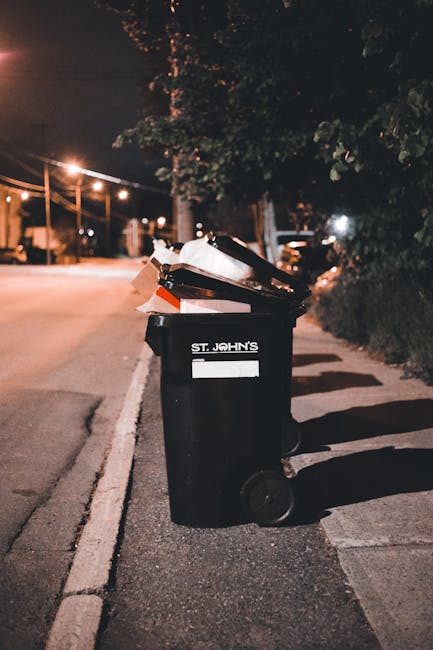
Why Islington Council rules for rubbish disposal in Highbury Matters
Highbury is dense, busy, and very much a shared-space neighbourhood. That makes rubbish disposal more than a private household chore. It affects pavements, alleyways, bin stores, back gardens, and the overall feel of a street. One untidy pile can quickly become a problem for neighbours, pests, and the people who have to walk past it every day. To be fair, nobody enjoys stepping around black bags on a damp London morning.
The council's rules matter because they help keep waste collection predictable and safe. They also reduce fly-tipping, which is especially frustrating in areas with narrow roads, mixed residential buildings, and frequent tenant turnover. In Highbury, you will notice that the difference between "disposed of properly" and "just dumped outside" is not subtle. It's the difference between a tidy front and a cluttered one that gets noticed immediately.
For landlords, managing agents, and anyone handling a move-out, the stakes are even higher. If waste is left behind after a tenancy change, it can become a cost, a delay, and a dispute. For residents, getting it right saves time and avoids that awkward conversation with a neighbour who has, let's say, had enough.
How Islington Council rules for rubbish disposal in Highbury Works
The basic framework is straightforward: everyday household waste goes into the correct bins or bags, recycling is separated, and larger items or non-standard waste are dealt with separately. In practice, the process depends on what you are throwing away.
General household waste should be contained properly and presented on the right collection day. Loose rubbish, bags torn open by gulls or foxes, and overfilled containers are exactly the kind of thing that creates mess and missed collections. Recycling should be kept separate. A cardboard box stuffed with food waste and broken glass is not recycling, however optimistic you may feel on a Tuesday evening.
Bulky items such as furniture, mattresses, white goods, and old shelving usually need a different disposal route. That can mean a council bulky waste arrangement, a licensed waste carrier, or a specialist clearance service depending on the item and the amount involved.
DIY and renovation waste is another category entirely. Bricks, plasterboard, timber, bathroom fixtures, and heavy rubble are not the same as household waste. They need careful handling, and in many cases a separate collection or skip-style solution.
Garden waste is also distinct from general rubbish. Branches, soil, cuttings, and old plant matter can often be reused, composted, or collected separately. If you're clearing an overgrown back garden after a long winter, that can turn into a lot more volume than people expect.
If you want a broader overview of disposal and collection options in the area, it can help to read our rubbish collection in Highbury and waste removal in Highbury service pages alongside this guide.
Key Benefits and Practical Advantages
Following the correct disposal rules isn't just about compliance. It makes everyday life easier.
- Cleaner communal spaces: bin areas stay usable, which matters a lot in shared blocks.
- Fewer collection issues: waste that is sorted and presented properly is less likely to be rejected.
- Lower risk of complaints: neighbours are far less likely to object to tidy, timely disposal.
- Less stress during moves: move-outs and refurbishments go more smoothly when rubbish is planned, not improvised.
- Better recycling outcomes: usable materials are more likely to be diverted correctly.
- Safer streets and entrances: fewer trip hazards, fewer leaks, fewer smells drifting in warm weather.
There is also a quieter benefit: good waste habits make property life feel more orderly. If you've ever lived in a building where the bin room was always half-chaos, you know exactly what I mean. Once things start slipping, they slip fast. A little structure goes a long way.
Who This Is For and When It Makes Sense
This guidance is useful for a wide range of people, not just homeowners. Highbury has a mix of flats, terraces, shared houses, rental properties, home offices, and small commercial spaces. Different settings create different disposal challenges.
It makes sense for:
- Tenants who need to leave a property tidy at the end of a tenancy
- Landlords and letting agents preparing between-tenant clearances
- Homeowners dealing with decluttering or renovation waste
- Households with bulky items that won't fit in normal bins
- Small businesses and offices that need responsible waste removal
- Anyone sorting out garden, builders', or mixed waste in Highbury
It also makes sense if you are weighing up whether to do it yourself or bring in support. A single broken chair is one thing. A flat full of old furniture, packaging, and broken fittings is another. That second job can swallow a whole weekend, easily. If you are already juggling keys, cleaners, removals, and inventory checks, rubbish is usually the last thing you want to improvise.
For broader local context, you might also find our Highbury N5 rubbish collection guide useful, especially if you are dealing with a specific local collection setup.
Step-by-Step Guidance
If you want to stay on the right side of council rules and keep the process painless, use this simple approach.
- Identify the waste type. Start by separating general rubbish, recycling, food waste, bulky items, garden waste, and construction debris.
- Reduce what you can. Reuse, donate, or repurpose anything that does not need to be thrown away. It saves space and often saves money too.
- Bag and contain waste properly. Keep loose rubbish under control so it does not spill, attract pests, or blow around.
- Check the collection method. Decide whether the item is suitable for normal collection, a special collection route, or a licensed clearance service.
- Keep the pavement clear. Never block walkways, entrances, or shared access points with waste for longer than necessary.
- Set waste out at the right time. Timing matters. Put it out too early and it becomes clutter; too late and you miss the collection window.
- Use licensed help for larger loads. For heavy, mixed, or awkward waste, professional clearance is often the cleaner, safer option.
- Get proof and keep records. If you are a landlord or business owner, retain receipts and confirmation for peace of mind.
One practical example: after a kitchen refit, you may have cardboard, old cupboard doors, packaging, and some plasterboard offcuts. That is not a single "rubbish" job. It is a mixed load, and mixed loads need sorting before collection. Otherwise you end up paying for the same thing twice, which is a bit annoying, frankly.
Expert Tips for Better Results
The easiest way to avoid trouble is to think ahead by one step, not five. Waste problems usually happen when people leave sorting to the last minute.
- Flatten cardboard early. It saves an astonishing amount of space and makes recycling much neater.
- Keep wet and dry waste apart. Damp food waste ruins the quality of recycling and creates smells quickly.
- Plan for bulky items before moving day. Once the van is booked and the keys are returned, you do not want old furniture still sitting there.
- Label bins or bags in shared homes. A small label avoids the classic "that wasn't mine" conversation.
- Be realistic about volume. What looks like three bags often becomes six when you start actually sorting it.
- For mixed waste, ask for clarity. Reputable providers should explain what they can take and how it will be handled.
In our experience, the households and landlords who stay calm about rubbish are the ones who treat it as part of the plan, not a leftover headache. It's boring, yes. But boring is good here.
If you are comparing service options or trying to avoid hidden extras, our guide to hidden charges in Highbury rubbish removal is worth a look.

Common Mistakes to Avoid
Most problems with disposal in Highbury come from a few very repeatable mistakes. The good news? They are easy to avoid once you know them.
- Leaving bags beside overflowing bins: this is a fast route to mess, complaints, and unwanted attention.
- Mixing recycling with general waste: one contaminated bag can spoil an otherwise decent recycling effort.
- Dumping bulky items on the street: even if you mean to collect it later, it can still count as fly-tipping if it is not properly arranged.
- Assuming all waste is the same: garden waste, builders' waste, and household rubbish are handled differently.
- Underestimating the size of a clearance job: a cupboard, a mattress, and a pile of bagged junk can become a van-load quickly.
- Booking the wrong type of help: this is a classic. A service for general rubbish may not be right for heavy construction waste.
A tiny aside: the number of people who say "it's only a few bits" and then reveal a small mountain of old possessions is genuinely impressive. We see it a lot.
For a practical warning on planning errors, our booking mistakes to avoid when hiring Highbury rubbish clearance article covers the usual traps.
Tools, Resources and Recommendations
You do not need fancy equipment to dispose of rubbish properly in Highbury, but a few practical tools help a lot.
- Sturdy bin bags: choose bags that can handle your actual waste, not just light packaging.
- Recycling boxes or containers: useful for paper, plastics, cans, and other clean recyclables.
- Gloves and a trolley: helpful for heavier or sharper items, especially when moving waste through stairwells.
- Labelled boxes: ideal when sorting items for reuse, donation, storage, or disposal.
- Basic measurement of volume: even a rough count of bags, boxes, and large items helps you plan collections better.
On the recommendation side, the best option is usually the one that matches the waste type and volume cleanly. If you just need everyday collection support, use a service built around routine rubbish handling. If you have a mixed load, a more flexible waste removal option may be better. For larger domestic clear-outs, a dedicated house clearance solution often saves time and hassle.
Helpful starting points on this site include the services overview, recycling and sustainability, and house clearance in Highbury pages, depending on the kind of waste you are dealing with.
Law, Compliance, Standards, or Best Practice
When dealing with rubbish disposal, the safest approach is to follow the council's collection guidance, keep waste off public land unless it is properly scheduled, and use responsible disposal routes for anything that is not standard household rubbish. If you are handing waste to a third party, it is sensible to use a properly licensed waste carrier and to keep a record of what has been removed. That is not overkill. It is just good practice.
In the UK, waste handling has a strong compliance element because rubbish can quickly become a nuisance, a safety risk, or an environmental issue if it is managed badly. For businesses and landlords, the expectations are even firmer. You are generally expected to make reasonable arrangements for waste storage, collection, and transfer, and to avoid passing your waste on to anyone unlicensed or unclear about disposal.
Best practice in Highbury is simple:
- Separate waste types early
- Do not leave rubbish in communal access areas
- Use the correct route for bulky and specialist waste
- Keep shared bin stores tidy and closed where possible
- Maintain records for clearance jobs, especially in managed properties
That may sound a bit formal, but it protects you. And honestly, it protects your neighbours too.
Options, Methods, or Comparison Table
Choosing the right disposal route depends on what you need to move, how quickly it needs to go, and how much handling you want to do yourself. Here is a simple comparison to help you think it through.
| Method | Best for | Advantages | Trade-offs |
|---|---|---|---|
| Normal household bin collection | Routine everyday waste | Simple, familiar, low effort | Not suitable for bulky or specialist items |
| Recycling separation | Clean recyclables | Reduces landfill, keeps waste organised | Needs sorting and clean material |
| Bulky item disposal | Furniture, mattresses, large household items | Better than leaving items outside, handles awkward loads | Often needs planning and may have constraints |
| Professional rubbish collection | General mixed waste and larger domestic clear-ups | Saves time, reduces lifting, cleaner results | Costs more than DIY disposal |
| Specialist waste removal | Builders' waste, garden waste, office clearance | Matched to the waste type, usually more efficient | Needs the right service for the job |
If you are clearing a property after renovation or major decluttering, the more specialised routes tend to make the most sense. For example, builders' waste often needs a different plan from standard household items. The same goes for garden cuttings after a big tidy-up. If you need those services, see builders' waste disposal in Highbury and garden waste removal in Highbury.
Case Study or Real-World Example
Picture a common Highbury scenario. A couple moves out of a two-bedroom flat near a busy residential street. Over six years, they have accumulated old shelving, a chipped coffee table, several boxes of books, a broken lamp, and the usual bundle of packaging that appears whenever life gets busy. They also discover a mattress they no longer want and a handful of bathroom fittings from a small refresh project.
At first, it looks manageable. Then the bags start filling the hallway. Then the lift is blocked for ten minutes. Then someone realises the recycling is mixed with general waste. That is usually the point where the whole thing becomes annoying.
The better approach is simple. Sort the waste into categories before lifting anything downstairs. Keep the general rubbish separate from recyclable cardboard. Set aside the mattress for the appropriate disposal route. Identify the fittings and any heavier mixed waste for a collection option that can handle them properly. The job becomes calmer, quicker, and far less likely to upset neighbours or stretch across the whole weekend.
That is really the heart of the matter. Good rubbish disposal is not glamorous. It is just organised. And organisation saves time, money, and a fair bit of stress.
Practical Checklist
Use this checklist before any disposal day in Highbury.
- Have I separated general waste, recycling, and bulky items?
- Are any items too heavy, sharp, wet, or awkward for normal handling?
- Have I checked whether the waste is household, garden, or builders' material?
- Are bags sealed and containers secure?
- Is the bin area clear and accessible?
- Have I planned where bulky items will go and when they will leave?
- Do I know who is responsible if I live in a shared building or let property?
- Have I kept proof or notes for clearance jobs, if needed?
Quick takeaway: if you sort the waste first and choose the right disposal route second, nearly every problem gets easier. That really is the trick.
Get a free quote today and see how much you can save.
Conclusion
Islington Council rules for rubbish disposal in Highbury are there to keep the area clean, safe, and manageable for everyone who lives and works here. Once you understand the basics, the process is less confusing than it first appears. Sort the waste properly, use the correct collection route, avoid leaving items in shared spaces, and treat bulky or specialist waste with a bit more care.
That may sound like common sense, and mostly it is. But common sense works best when it is backed by a simple plan. For Highbury residents, landlords, and businesses, that plan is what prevents the usual headaches: missed collections, cluttered entrances, neighbour complaints, and the occasional very avoidable mess.
If you are preparing a clear-out, managing a property changeover, or just trying to get ahead of the next collection day, start small and stay organised. Little by little, it gets easier. And when the bins are tidy and the pavement is clear, the whole street feels a bit better, doesn't it?

Copyright © . House Clearance Highbury. All Rights Reserved.