Highbury bulky waste permits and council collection rules
Posted on 31/07/2026
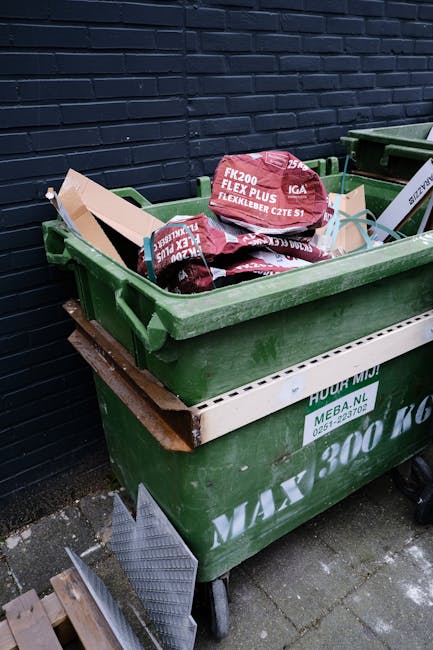
Highbury bulky waste permits and council collection rules: a practical local guide
If you have an old sofa by the front door, a broken wardrobe in the hallway, or a stack of flat-pack boxes that has somehow become a small mountain, you are probably trying to work out the simplest legal way to get rid of it. That is where Highbury bulky waste permits and council collection rules come in. The tricky part is that people often mix up permits, booked collections, side waste rules, and general rubbish removal. One wrong assumption and you can end up with missed collections, fines, or waste left on the pavement on a damp Tuesday morning. Nobody wants that.
This guide breaks the topic down in plain English. You will learn what bulky waste rules usually mean in Highbury, how council collection systems typically work, when a permit might be needed, what items are accepted, and when a private clearance service makes more sense. We will also cover common mistakes, compliance points, and a realistic step-by-step approach so you can deal with the job without guesswork.
Quick takeaway: if your bulky items are too large for normal bins, the safest route is to check the local collection rules first, then choose between council booking, reuse, or a licensed clearance option depending on urgency and item type.
Why Highbury bulky waste permits and council collection rules matter
Bulky waste rules exist for a good reason. Oversized items do not fit the usual wheelie bin system, and leaving them out incorrectly can create safety issues, block pavements, and annoy neighbours. In Highbury, where many streets are busy, residential, and tightly parked, this matters more than people sometimes expect. A sofa placed out at the wrong time can sit there for hours, attracting rain, birds, or just that tired look you get when an item has clearly outstayed its welcome.
Permits and collection rules also help separate a legal disposal route from a risky shortcut. Some households assume any large object can be taken out with the next rubbish round. Not quite. Others think a quick placement near the kerb is enough. Sometimes it is not. The council may have specific booking rules, and in some cases the waste must be presented in a particular way. Knowing the system saves time and, frankly, a bit of embarrassment.
There is also a cost angle. If you understand the rules, you are less likely to pay for the wrong service or book a collection that cannot take what you have. If your needs go beyond standard household items, it may be smarter to look at local rubbish collection in Highbury or broader waste removal options in Highbury instead of trying to force everything into a council-type booking. To be fair, a lot of the stress comes from that one decision.
How Highbury bulky waste permits and council collection rules works
In practical terms, bulky waste handling usually follows one of three routes: a council-organised collection, a private collection, or a reuse/rehome option. The council route generally suits a small number of large household items. Private clearance tends to suit larger volumes, awkward access, or time-sensitive jobs. Reuse is ideal when the item still has some life left in it.
A permit is not always a separate document in the way people imagine. Sometimes people use the word loosely to mean permission or approval to place items out for collection. In other cases, they may be referring to booking confirmation, parking access for the collection team, or consent to use a designated collection method. The exact system can vary by local arrangements, so it is worth checking the current rules before putting anything outside.
Most council collection systems, including those relevant to Highbury residents, are fairly straightforward in principle:
- You identify the items you want removed.
- You check whether they are accepted under bulky collection rules.
- You book a collection or request permission where required.
- You present the items exactly as instructed.
- You keep an eye on timing, access, and any special instructions.
That sounds simple, and sometimes it is. But the details matter. For example, a mattress may be accepted while dismantled furniture may need to be separated. Electrical items may be handled differently from general furniture. If you want a clearer picture of how local disposal guidance fits together, the article on Islington Council rules for rubbish disposal in Highbury is a useful companion read.
What usually counts as bulky waste?
Bulky waste normally means household items too large for normal bin collection. Common examples include:
- sofas and armchairs
- tables, chairs, and wardrobes
- mattresses and bed frames
- carpets and rolled-up underlay
- large toys or sports equipment
- some white goods or electricals, depending on the collection route
Always treat "bulky" as a practical category, not a promise. If an item is hazardous, commercial, or too heavy for safe manual handling, it may fall outside the normal collection rules. That is where a professional clearance route is often the calmer option.
Key benefits and practical advantages
Getting the rules right is not just about staying out of trouble. It also makes the whole job smoother. Here are the main benefits people usually notice once they stop guessing and start planning.
- Less risk of rejected waste - items are more likely to be taken first time if they are presented correctly.
- Cleaner street presentation - no one enjoys living beside an accidental mini-landfill.
- Better cost control - you avoid paying for the wrong disposal method.
- Safer handling - fewer chances of lifting injuries, broken glass, or blocked walkways.
- Less time wasted - a booked, rule-compliant collection is usually much easier to manage.
There is also a quieter benefit: peace of mind. If you know the process, you are not hovering by the window wondering whether the collection will happen, whether the item is acceptable, or whether the neighbour's note on the stairwell is actually right. That sort of low-level uncertainty can be surprisingly draining.
For households comparing disposal routes, it can help to look at the wider service picture too. The services overview gives a broader sense of what kinds of clearance and collection support are available, while the company's recycling and sustainability approach may matter if you want items diverted from landfill where possible.
Who this is for and when it makes sense
This topic matters to a surprisingly wide mix of people. You might be a tenant moving out of a flat near Highbury Fields, a homeowner clearing a spare room, or a landlord dealing with leftover furniture after a tenancy ends. You might also just have one huge item and no idea how to get rid of it without annoying the whole street. Very normal, by the way.
It tends to make the most sense if:
- you only have a small number of large household items
- you are not sure whether council collection covers your item type
- you have limited access, narrow stairs, or parking difficulties
- you need collection on a tighter schedule than the council can usually offer
- you want help clearing mixed items rather than just one sofa or mattress
If you are dealing with a broader property clear-out, it may be worth considering specialist support such as house clearance in Highbury. If the job involves commercial premises, then office clearance in Highbury may be the better fit. The point is not to overcomplicate it. It is to match the method to the mess.
When council collection is the neatest option
Council collection is often best when you have a modest amount of waste, no urgent deadline, and items that fit the accepted list. It can suit one-off clearances, a single bed, or a couple of furniture pieces. If your items are straightforward, council booking can be a tidy solution.
When a private clearance is smarter
If you have multiple bulky items, mixed waste, or a difficult access point, a private service may be more practical. That is especially true if you are short on time or need lifting help. A case in point: someone clearing a first-floor flat after a move-out may find that the time saved outweighs the effort of navigating booking rules and collection windows.
Step-by-step guidance
Here is a sensible process you can follow without turning it into a weekend project from hell.
- List everything you want removed. Be specific. "Furniture" is too vague. "One three-seater sofa, one broken desk, and two rolled rugs" is much better.
- Separate bulky items from general rubbish. Bin bags, loose rubble, and garden cuttings may need different handling. If your job includes mixed waste, you may need a broader service such as builders waste disposal in Highbury or garden waste removal in Highbury.
- Check the collection rules. Confirm whether the item type is accepted, whether it needs dismantling, and how it should be presented.
- Make access easy. Clear hallways, unlock gates if necessary, and think about parking or loading space.
- Book the collection or permit. Keep the confirmation somewhere obvious. A screenshot is fine. Old-school paper printout, also fine.
- Prepare items properly. Remove loose contents, tape up dangerous edges, and separate materials if requested.
- Put the items out only when instructed. Do not leave them out too early. It makes the street look untidy and can cause complaints.
- Follow up if anything changes. If the item is too big, the address is tricky, or you realise there is more waste than expected, say so early.
A small but important point: if you are clearing a flat, check stairwells and communal spaces too. Nothing causes friction faster than a blocked landing or a scraping sofa edge at 7:30 in the morning. Been there, heard the groan.
Expert tips for better results
A few practical habits make this process much easier.
- Measure larger items before booking. Width, height, and access route matter more than people expect.
- Dismantle where possible. A bed frame in pieces is usually easier to handle than one awkward lump.
- Check for hidden extras. Drawers, cushions, loose screws, and small items inside furniture can all create issues.
- Keep pathways clear. This speeds up handling and reduces the chance of damage.
- Use the right service for the job. A single-item collection and a full flat clearance are not the same thing, obviously, but people do mix them up.
- Ask about recycling routes. If part of the load can be reused or recycled, that is usually preferable.
One thing we see a lot is last-minute surprise items. The customer says "just a sofa," then remembers a chair, a broken TV stand, and some old carpet tucked behind the door. To be fair, it happens. The solution is simple: walk the space once, slowly, before you book.
If your priority is keeping costs sensible, the page on pricing and quotes is worth a look, especially if you want to compare straightforward booking approaches without committing too early.
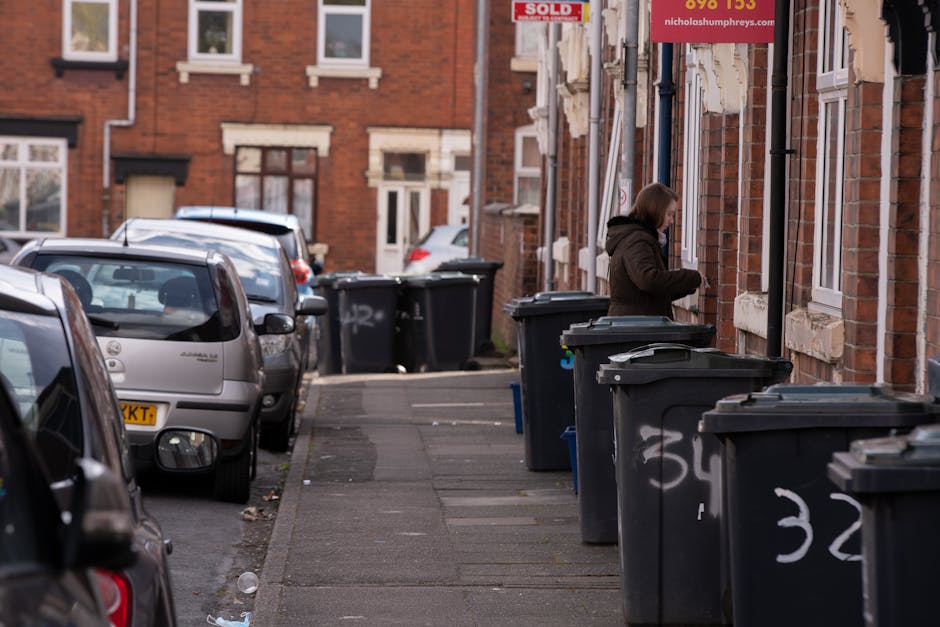
Common mistakes to avoid
Most bulky waste problems are not dramatic. They are just annoying and avoidable. Here are the big ones.
- Assuming every large item is accepted. Some items need special handling or are excluded entirely.
- Leaving items out too soon. That can create clutter and attract complaints before the collection is due.
- Forgetting access restrictions. Parking bays, narrow entrances, and top-floor flats all affect the job.
- Not checking whether a permit or booking is required. This is the classic mistake and, annoyingly, the easiest to prevent.
- Mixing waste types together. Bulky furniture, electrical waste, and construction debris may need separate treatment.
- Choosing the cheapest option without checking what is included. Hidden extras can make a bargain look less clever very quickly. There is a useful related read on hidden charges in Highbury rubbish removal if you want to stay alert to that trap.
- Booking in a rush. It is tempting, but it often leads to errors with timings, item counts, or collection format.
And yes, sometimes people forget to tell the collection team the sofa has already been half-dismantled, or that the "one item" is actually three stacked items. That sort of thing slows everything down. A little honesty up front saves a lot of back-and-forth.
Tools, resources and recommendations
You do not need fancy equipment to handle bulky waste properly, but a few basic tools make life easier.
- Tape measure - for access routes and item dimensions.
- Marker pen and labels - helpful if you are separating reuse, recycle, and disposal piles.
- Gloves - especially if items have splinters, broken fittings, or dusty surfaces.
- Strong bags or straps - useful for smaller parts after dismantling.
- Phone camera - good for recording item condition before handover or collection.
For planning your approach, a few website pages can help you understand the wider service landscape. The about us page is a sensible place to get a feel for the company background, while insurance and safety is useful if you want reassurance around handling and on-site work. If you are new to booking clearance services, the article on booking mistakes to avoid when hiring Highbury rubbish clearance is genuinely worth five minutes of your time.
For people who care about waste diversion and responsible handling, the company's recycling and sustainability information can help frame the decision in a more environmentally minded way. Not every bulky item can be reused, of course, but some certainly can.
Law, compliance, standards, and best practice
Without getting too legal about it, the basic rule is simple: waste should be presented, stored, and collected in line with the applicable local requirements, and it should not create a nuisance or hazard. In a place like Highbury, that usually means paying attention to timing, item placement, access, and whether the collection method you are using is actually authorised for the waste type.
There are a few principles worth keeping in mind:
- Do not obstruct pavements or entrances. That includes communal hallways and shared access points.
- Separate hazardous or specialist items. Paint, chemicals, sharp waste, and some electricals may need different treatment.
- Use legitimate disposal routes. If you are paying for a collection, it should be handled by a provider that can lawfully manage the waste.
- Keep evidence of booking or permission. If there is ever a question about timing or presentation, you will be glad you did.
Best practice also means thinking about neighbours. Highbury has plenty of close-set homes and flats, so a considerate approach matters. Put items out as late as you can, follow collection instructions carefully, and avoid blocking the common path while you wait. It is a small thing, but it keeps the peace.
For readers wanting a more detailed local context, the guide on rubbish collection in Highbury N5 and Highbury Fields is a useful follow-on read. It sits nicely alongside this article because it focuses on the practical side of local collection behaviour and expectations.
Options, methods, and comparison table
Choosing the right disposal route usually comes down to volume, urgency, item type, and how much lifting you want to do yourself. Here is a simple comparison.
| Method | Best for | Pros | Watch-outs |
|---|---|---|---|
| Council bulky waste collection | Small number of household items | Usually straightforward and suitable for standard items | May have booking rules, item restrictions, or slower timing |
| Private rubbish collection | General household clearances or mixed items | Flexible, fast, and often easier for awkward access | Check exactly what is included before booking |
| Specialist waste removal | Builders waste, garden waste, or larger mixed loads | Better for non-standard jobs | Needs the right service for the waste type |
| Reuse or donation route | Usable furniture or working items | Environmentally friendlier and often satisfying | Condition needs to be acceptable and transport needs planning |
If your situation is still a bit fuzzy, ask yourself a simple question: is this a one-item tidy-up, or is it really a clear-out in disguise? That answer usually points you in the right direction.
Case study or real-world example
Here is a realistic example. A resident in a Highbury flat wants to clear a mattress, a broken wardrobe, and two bags of mixed household clutter after redecorating. At first glance, they think a council bulky collection will probably do the trick. But once they measure the wardrobe, it becomes clear the item is too awkward to move in one piece, and the hallway is narrow. The mattress is fine, but the rest will need dismantling or separate handling.
Instead of forcing the issue, they check the rules, split the items into categories, and decide on a private collection for the lot. The job is completed in one visit, the stairwell stays clear, and there is no need to wait around for a second attempt. Simple, really. But only because the decision was made with the rules in mind.
Another common situation is a landlord clearing after a tenancy. A few large items are left behind, plus small bits in cupboards and a broken chair on the balcony. In that case, a broader house clearance approach often works better than trying to treat each item separately. It is more efficient, and less fiddly, which matters when you are trying to hand a property back quickly.
Practical checklist
Use this before you book anything.
- Identify every bulky item you want removed.
- Check whether it is household waste, electrical waste, garden waste, or builders waste.
- Measure larger items and note access points.
- Confirm whether a booking, permit, or presentation rule applies.
- Decide whether council collection or private removal is the better fit.
- Dismantle items if that makes access safer.
- Keep hallways, entrances, and paths clear.
- Put items out only at the instructed time.
- Take photos if you want a record of condition or placement.
- Double-check any hidden extras before confirming a paid service.
That is the whole job, really. Not glamorous, but effective.
Conclusion
Highbury bulky waste permits and council collection rules can feel fiddly at first, especially when you are dealing with narrow streets, shared entrances, or a deadline that is already breathing down your neck. But once you understand the basics, the process is much less stressful. The key is to match the waste type to the right route, follow the presentation rules carefully, and avoid guessing. Guessing is expensive. And usually messy.
If you only have a small amount of standard bulky waste, a council collection may be all you need. If the job is larger, more awkward, or more urgent, a private service can save time and hassle. Either way, a bit of planning makes a noticeable difference. The street looks tidier, the removal goes smoother, and you get your space back without a fuss. That is the goal, after all.
Get a free quote today and see how much you can save.

Copyright © . House Clearance Highbury. All Rights Reserved.