Fines and prosecution for illegal rubbish dumping Highbury
Posted on 18/08/2026
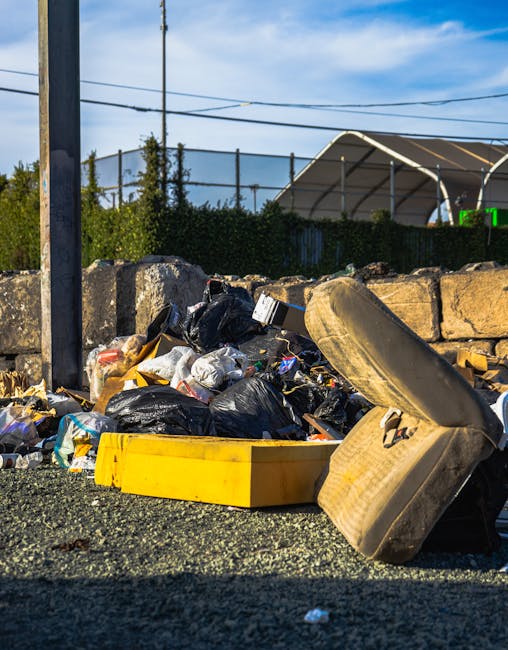
If you are dealing with waste in Highbury, it pays to understand the real consequences of fly-tipping. Fines and prosecution for illegal rubbish dumping Highbury is not just a legal phrase; it is the difference between sorting waste properly and facing a costly, stressful mess that can follow you for months. Whether you are a homeowner clearing out a loft, a landlord after a tenancy, or a contractor with builders' waste, the rules are stricter than many people realise. And yes, even a quick "I'll leave it by the wall for now" can turn into a serious problem.
This guide explains what illegal dumping means, how enforcement usually works, what penalties can arise, and how to avoid accidentally getting caught out. It also gives you practical next steps so you can dispose of rubbish in a way that is safe, lawful, and far less annoying. Let's face it: nobody wants a knock on the door because of a mattress, a broken wardrobe, or a black sack left in the wrong place.
Why Fines and prosecution for illegal rubbish dumping Highbury matters
Illegal dumping is not a harmless shortcut. In a busy neighbourhood like Highbury, rubbish left on pavements, in alleyways, next to bins, or on private land without permission can quickly become an eyesore, a safety issue, and a legal headache. It attracts complaints, creates blockages, and can even invite more dumping. One bag becomes five. Then it becomes everyone else's problem.
People often assume enforcement only targets major fly-tipping incidents, but that is not the full picture. Small-scale dumping can still lead to penalties, especially when waste is traceable or has been left irresponsibly. If your name, address, business details, or vehicle can be linked to the waste, that can become very relevant very quickly. And if you arranged for someone else to take the waste away and they dumped it illegally, you may still need to show that you checked who you hired and how they handled the waste.
There is also a broader neighbourhood issue. Highbury has a mix of residential streets, busy routes, flats, conversions, and commercial spaces. Waste left out of place can affect foot traffic, block access, and make the area look neglected. For a lot of residents, that is frustrating in a very ordinary, human way. You pay for a tidy street, then someone decides the pavement is their skip. Not ideal.
If you are planning a wider clearance, it helps to understand how proper waste handling fits into the bigger picture. Our guide to recycling and sustainability is a useful place to start, and it sits neatly alongside practical local reading such as Islington Council rules for rubbish disposal in Highbury.
Expert summary: The safest approach is simple: keep waste traceable, store it correctly, and use a lawful disposal route. If you cannot explain where the rubbish came from and where it is going, that is usually a red flag.
How Fines and prosecution for illegal rubbish dumping Highbury works
In plain English, enforcement usually begins when waste is found in a place it should not be. That could be on a pavement, in a communal area, behind a row of shops, or dumped in a quiet side street late at night. Once reported or discovered, officers may investigate who is responsible. This can involve checking the waste itself, looking for labels or addressed paperwork, reviewing nearby CCTV, or linking the rubbish to a property, vehicle, or business.
The process is often more evidence-led than people expect. It is not always about catching someone in the act. A discarded letter, an invoice, a packaging label, or even consistent patterns of waste in a certain area can help build a case. That is why "it was only a couple of bags" is not much comfort. Small things can create a trail.
Where illegal dumping is confirmed, the response may range from a fixed penalty style enforcement action through to more serious prosecution depending on the circumstances, the volume of waste, repeated behaviour, or whether the matter looks deliberate. Exact outcomes vary, and it is sensible to treat anything involving public dumping as serious from the start. In practice, the worst outcome is often not just the financial penalty. It is the time, the stress, and the fact that one bad decision can complicate work, tenancy arrangements, or business reputation.
For households and landlords, a common grey area is waste left outside too early. That might not be the same as deliberate fly-tipping, but it can still lead to complaints if it obstructs the pavement or is treated as abandoned waste. For builders and tradespeople, the risk is even clearer. Mixed rubble, plasterboard, timber, packaging, and old fittings need the right disposal route. That is one reason our builders' waste disposal Highbury page is a helpful companion read.
A sensible local approach also includes planning collection properly, not improvising on the day. If you need a lawful removal route, look at rubbish collection in Highbury or broader waste removal in Highbury options, depending on what you need shifted.
Key benefits and practical advantages
There is an obvious benefit to avoiding fines and prosecution: you keep money in your pocket and stay out of trouble. But there are a few less obvious advantages too, and they matter just as much.
- Less risk of evidence being traced back to you: Proper disposal means fewer nasty surprises from paperwork, labels, or vehicle checks.
- Better peace of mind: You do not have to wonder whether a dumped sofa or broken appliance could become a problem later.
- A tidier street and property: Neighbours notice when waste is handled properly. So do landlords and managing agents.
- More predictable costs: Lawful disposal is usually cheaper than dealing with penalties, extra clean-up, and the fallout from complaints.
- Safer handling: Good waste practices reduce injuries, blocked access, and pest issues.
There is also a practical business advantage. If you run a rental property, manage a building, or work in trades, being able to show responsible waste handling can save you hassle with tenants, clients, and local authorities. In a real-world sense, it helps you look organised. That matters more than people admit.
If you are comparing different clearance choices, the page on services overview can help you understand the type of support available, while insurance and safety is worth reading when you want to make sure the removal side is properly handled. No one wants a surprise with waste, insurance, and a scratched stairwell all at once. Bit much.
Who this is for and when it makes sense
This topic matters to a wider group than most people think. It is not only for businesses or serial offenders. Ordinary households can get caught out too, especially when moving out, renovating, or trying to get rid of bulky items quickly.
- Homeowners clearing lofts, garages, basements, or gardens.
- Tenants leaving a property and deciding what to do with old furniture or bags of unwanted items.
- Landlords dealing with abandoned waste after a tenancy or at turnover.
- Builders and tradespeople managing rubble, packaging, fittings, and site waste.
- Office managers clearing desks, electronics, and general business rubbish.
- Event organisers or hosts who end up with more waste than the bins can handle.
It makes sense any time you have more waste than your normal household bin system can safely absorb. Highbury is dense enough that "I'll leave it by the kerb" is not a strategy. It is a gamble. And a poor one, if we are being honest.
If your situation is bulky household items, the article on bulky waste permits and council collection rules is especially useful. If you are dealing with a property after years of accumulated clutter, house clearance in Highbury may be the more sensible route.
Step-by-step guidance
Here is the simplest way to avoid problems and keep your rubbish disposal on the right side of the law.
- Identify the waste properly. Separate general rubbish, recyclables, bulky items, builders' waste, garden waste, and anything that needs special handling. A mixed pile is where mistakes begin.
- Check whether the item can be reused or recycled. Some items can be donated, sold, repaired, or taken through a recycling route rather than treated as ordinary waste.
- Store waste securely. Keep it on private property until collection, and do not place it where it blocks shared areas or pavements.
- Choose a lawful disposal method. Use a council collection route, a permitted clearance service, or another legitimate option. Avoid unverified "man with a van" offers if you cannot check what happens next.
- Keep records. Save invoices, collection notes, and any details that show who collected the waste and when. This can be very useful if questions come up later.
- Check the handover. If someone else removes the waste, ask where it will go and how it will be processed. A little awkward? Maybe. Still worth doing.
- Follow up if waste is left behind. If a contractor or collector does not remove everything as agreed, chase it immediately rather than leaving it to drift into a mess.
One practical detail people often miss: timing. If you are moving house, doing a clear-out before an estate agent visit, or trying to empty a rented flat between occupiers, plan the collection so waste does not sit outside overnight unless that is explicitly allowed. A wet cardboard box at 6 a.m. can look far worse than it did at 6 p.m., especially on a drizzly London morning.
Expert tips for better results
In our experience, the best way to stay safe is to act like every item might be checked later. That mindset keeps you careful in a useful way.
- Photograph the waste before collection. This helps if you need to show what was taken away.
- Use written confirmations. Even a short email or text trail is better than memory.
- Do not overfill public bins. Overflowing bags are one of the fastest ways to create a visible problem.
- Keep receipts for bulky or awkward loads. Especially if the items are traceable or came from a business address.
- Ask about sorting. A reputable clearance approach usually separates recyclable and non-recyclable material rather than treating everything the same.
If you are hiring help, read the fine print before you book. That is not thrilling, I know, but it beats a "hidden" extra charge or a dispute over what was included. The post on hidden charges in Highbury rubbish removal is a good reminder of how messy unclear pricing can become.
A small but useful rule: if a clearance offer sounds unbelievably cheap, ask yourself where the operator is cutting corners. Usually, somewhere. And it is rarely the corner that helps you.
Common mistakes to avoid
Some mistakes come up again and again. They are simple, but they can still trigger serious consequences.
- Leaving rubbish outside too early: This can make waste look abandoned and attract complaints.
- Using an unverified collector: If waste is dumped illegally after collection, your own records may be needed to show due diligence.
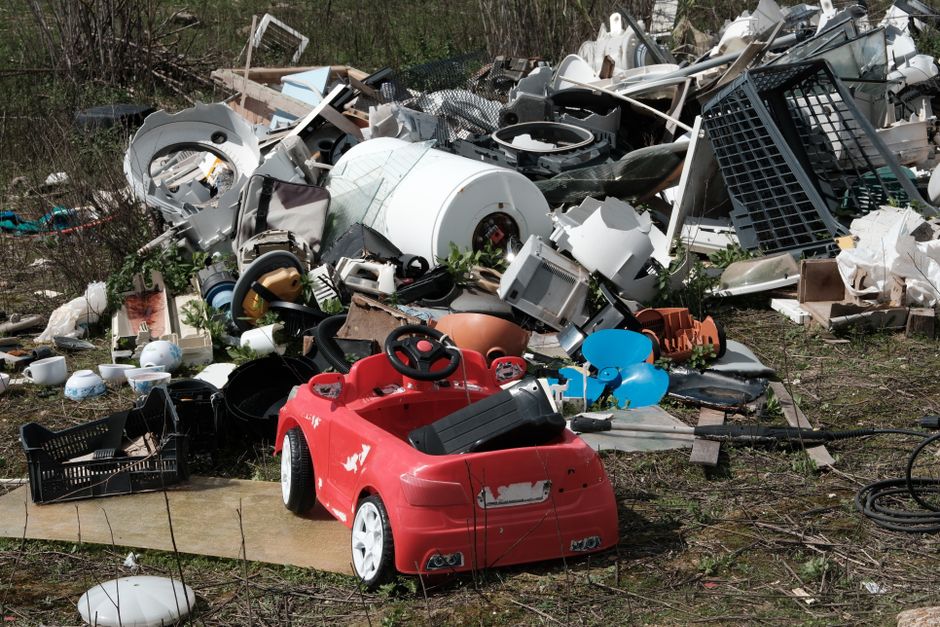
- Mixing waste types: Builders' waste, electrical items, garden waste, and general rubbish may need different handling.
- Assuming one bag is harmless: Small loads still count if they are left where they should not be.
- Ignoring neighbours or managing agents: A quick complaint can turn into an inspection before you even realise there was a problem.
- Not checking local collection rules: Council and property rules can be stricter than people expect.
There is also a human mistake that is a bit more subtle: waiting until the last possible minute. That is how rushed decisions happen. Rushed decisions lead to corner-cutting. Corner-cutting leads to trouble. Not exactly a thrilling chain of events.
To reduce the risk, it helps to read up on practical local guidance like booking mistakes to avoid when hiring Highbury rubbish clearance and the rubbish collection guide for Highbury N5 and Highbury Fields.
Tools, resources and recommendations
You do not need a complicated toolkit to deal with rubbish responsibly, but a few practical resources make life easier.
- Labels and marker pens: Helpful for separating "keep", "recycle", "dispose", and "donate" piles.
- Strong bags and boxes: Prevent spills and reduce the chance of items being left loose.
- Phone camera: Use it to document waste before removal and keep a record afterward.
- Calendar reminders: Useful for bin days, collection windows, and tenancy handovers.
- Written checklists: Very helpful when several people are involved.
For service comparisons and planning, it can also help to review pricing and quotes before making a booking, especially if you are comparing bulky waste, full property clearance, or regular collection work. If you want to understand the company a little better before booking anything, about us is a sensible read.
And if your concern is not just disposal but broader environmental responsibility, the page on recycling and sustainability can help you think beyond the immediate clearance job.
Law, compliance, standards, or best practice
Illegal dumping is taken seriously because waste can create environmental, public health, and nuisance issues. While the exact legal response depends on the facts, the general compliance message is clear: waste should be stored, transported, and disposed of responsibly, and anyone arranging removal should be able to show that they took reasonable care.
In practical terms, that means you should:
- use recognised waste channels where possible;
- avoid leaving items in public spaces without permission;
- keep proof of collection and disposal;
- check that contractors or collectors are operating properly;
- separate waste types when required;
- follow landlord, leasehold, and building rules where they apply.
For residents and businesses in Highbury, it is wise to treat local rules as part of the job, not an optional extra. If you are unsure whether waste is likely to cause a problem, assume it may and take the safer route. That is not being overly cautious. That is being sensible.
If you are dealing with items from an office or a business premises, a dedicated route such as office clearance in Highbury may be more appropriate than trying to manage mixed rubbish yourself.
Options, methods, or comparison table
Here is a simple comparison of common approaches people consider when they need to get rid of waste in Highbury.
| Method | Best for | Pros | Risks or limits |
|---|---|---|---|
| Council collection route | Smaller, scheduled items | Often straightforward, familiar process | May not suit urgent, bulky, or mixed loads |
| Private waste removal service | Households, landlords, and businesses needing speed | Flexible, practical, can handle mixed loads | Quality varies, so records and trust matter |
| Self-transport to a suitable facility | People with access to a vehicle and time | Direct control over the trip | Manual handling, time, and correct sorting are your responsibility |
| Leaving items out informally | Nothing, really | None worth relying on | High risk of complaints, fines, and prosecution |
To be fair, the "leave it out and hope" method is popular only because it feels easy for five minutes. After that, it gets expensive fast.
Case study or real-world example
A fairly typical Highbury scenario goes like this. A tenant moves out over the weekend and leaves behind a few broken chairs, a mattress, and several bags of unwanted items. The temptation is to place everything beside the communal bins and assume it will be dealt with quickly. Instead, the items sit there overnight. By morning, someone has added more waste, the bags have split, and the building manager has logged a complaint.
The problem is no longer just a tidy-up issue. Now there is a question about who left the items, whether they had permission, and whether the waste was placed out properly. If the property manager asks for records, and nobody has any, the situation becomes awkward very quickly. If a proper collection had been booked, the waste could have been cleared, documented, and removed with far less noise and no drama. That is the real value of doing things properly. Not glamourous, but very effective.
This kind of situation is especially common in move-outs and post-refurbishment jobs. If that sounds familiar, the pages on house clearance and builders' waste disposal are worth looking at for the right kind of support.
Practical checklist
Use this simple checklist before any rubbish leaves your property.
- Have I identified all waste types correctly?
- Can any item be reused, donated, or recycled?
- Is the waste stored on private property, not on the pavement?
- Have I checked building, tenancy, or local collection rules?
- Do I know exactly who is collecting the waste?
- Do I have written confirmation, a receipt, or booking details?
- Have I kept photos or notes in case of a query later?
- Is the chosen disposal route suitable for bulky, mixed, or specialist waste?
- Have I avoided rushing the job at the last minute?
- Would I be comfortable explaining this process to a neighbour or council officer if asked?
If you can tick all of those, you are in a much stronger position. And if you cannot, that is your cue to pause and sort it out before the waste becomes the problem.
Get a free quote today and see how much you can save.
Conclusion
Fines and prosecution for illegal rubbish dumping Highbury is ultimately about one simple thing: making sure waste is handled responsibly before it becomes an expensive mistake. The legal side matters, of course, but so does the practical side. Safe collection protects your property, your neighbours, your record, and your peace of mind.
If you take one thing from this guide, let it be this: never treat waste as an afterthought. Plan it, document it, and choose a lawful route. That approach is calmer, cleaner, and far less likely to lead to trouble. And honestly, your future self will thank you for it.
Clean streets, clear records, no drama. That is the goal, really.


Copyright © . House Clearance Highbury. All Rights Reserved.